The platform,
screen by screen
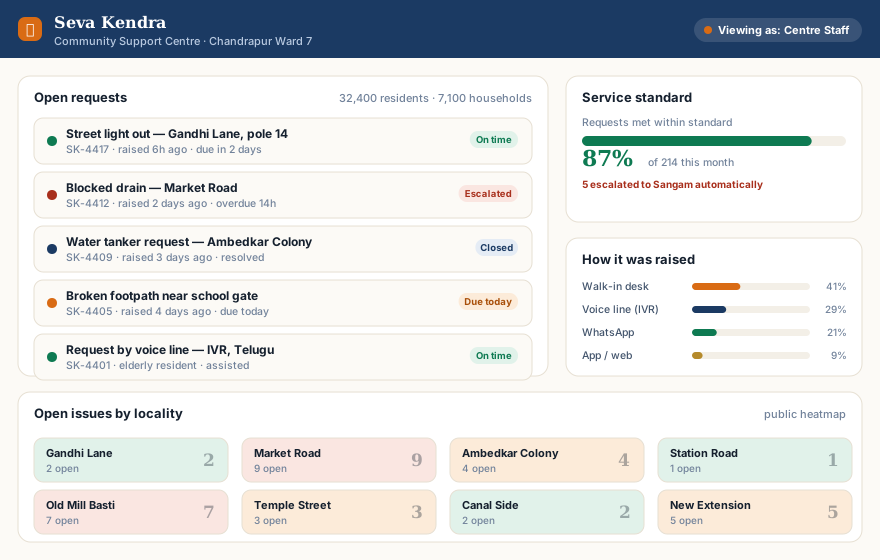
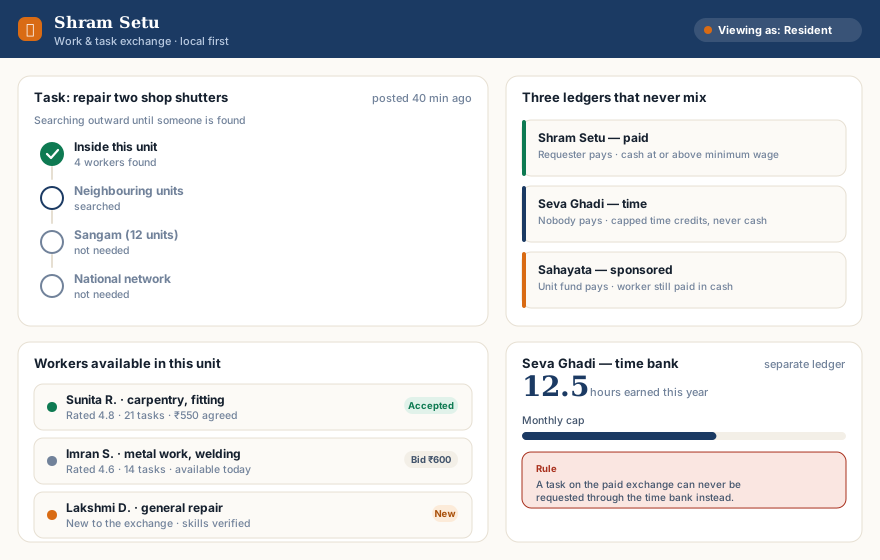
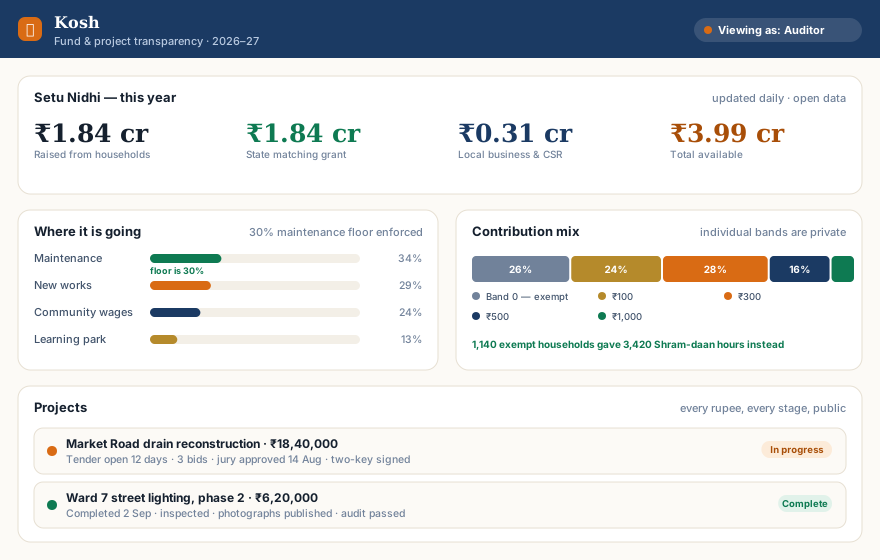
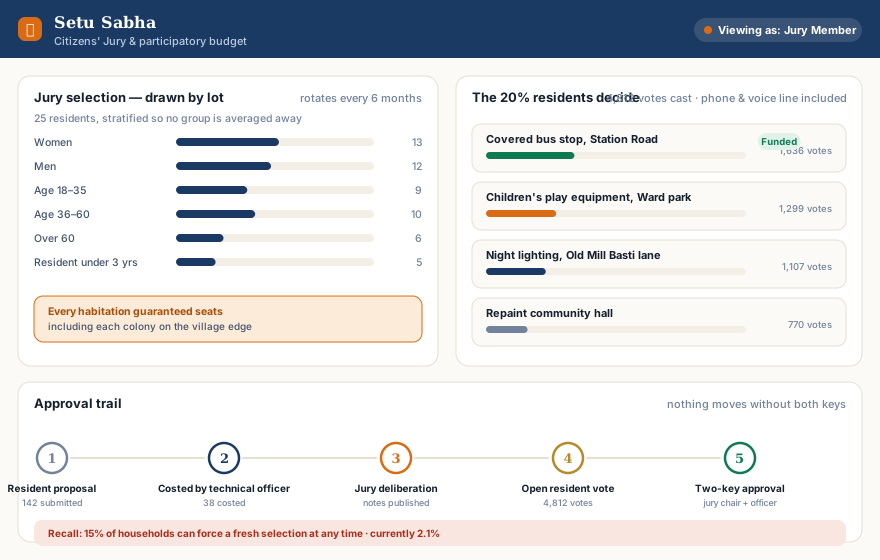
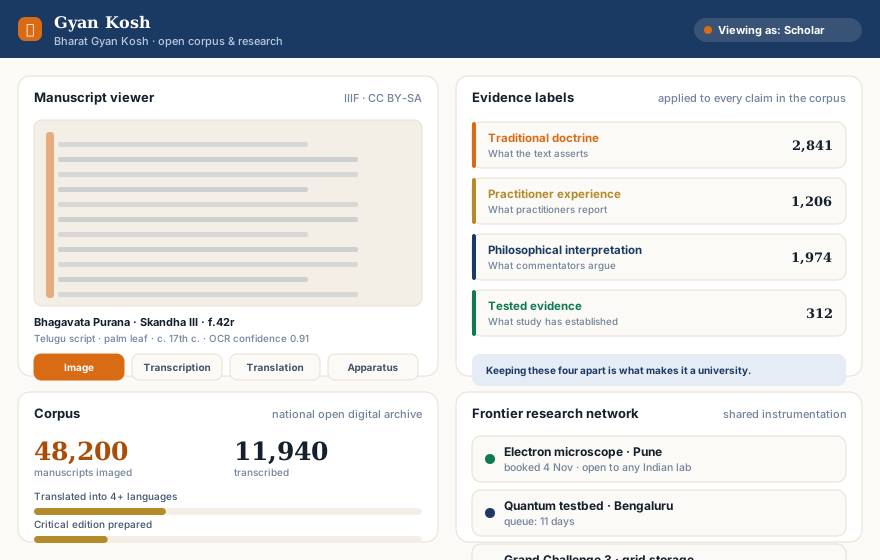
Nine applications a Setu Unit would use. These are design mockups, not working software — but every number, label and rule on them comes from the model, so an official, a commissioner or a donor can see in three minutes what would otherwise take forty pages.
All nine share one design, one fictional unit — Chandrapur Ward 7, 32,400 residents, 7,100 households — and a role switch in the header, because the same screen looking different to a resident, a worker, a jury member and an auditor is the governance argument.
The unit is fictional on purpose. No real ward has agreed to anything, and a mockup should never imply otherwise. Working prototypes come after the model is agreed.
The three that carry the argument
If the project built only these, it would still make its case: a way to ask, a way to earn, and a way to see where the money went.
Governance, learning and the difficult one
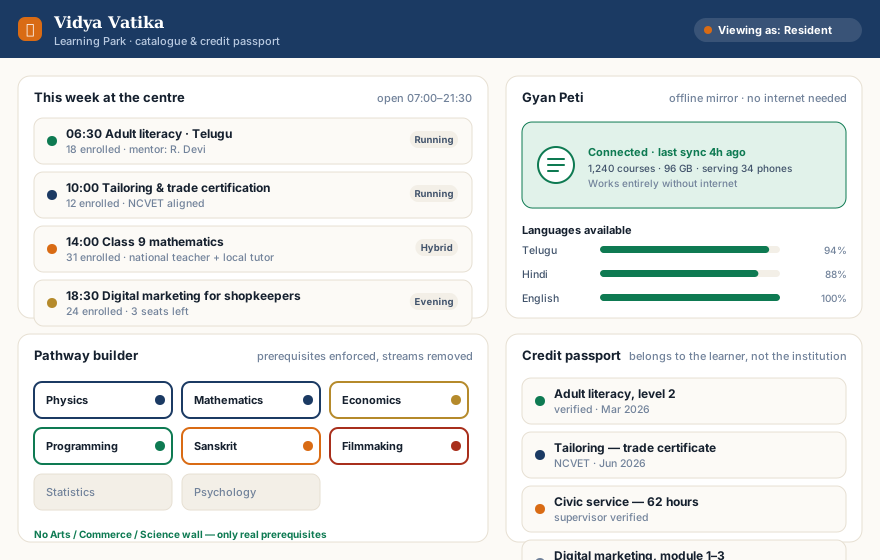
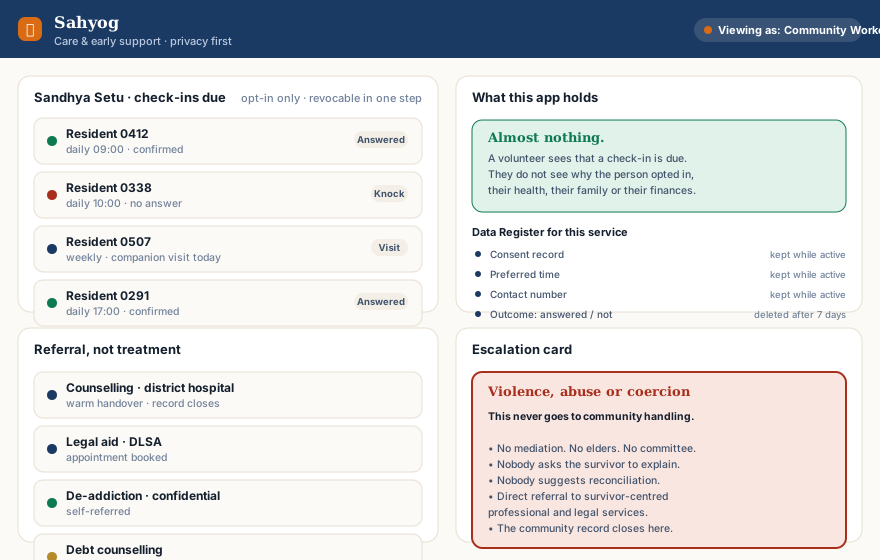
Youth, culture and the national layer
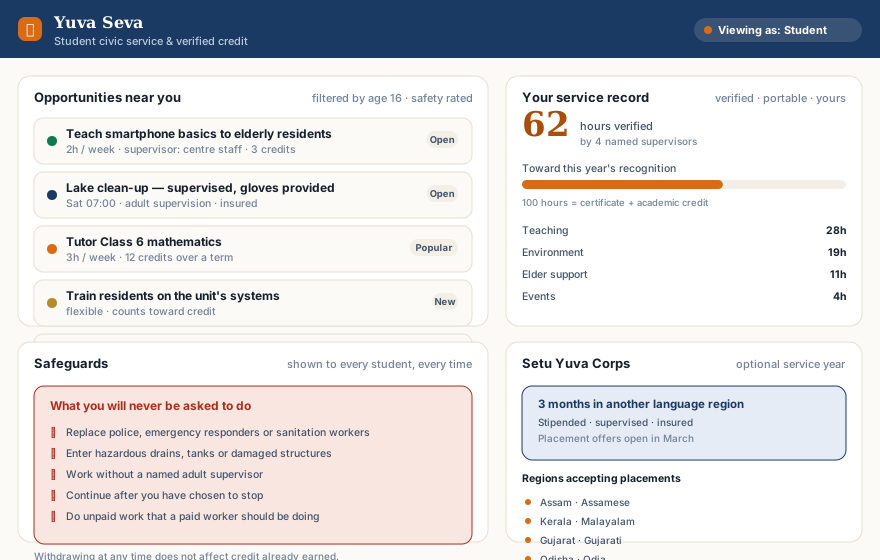
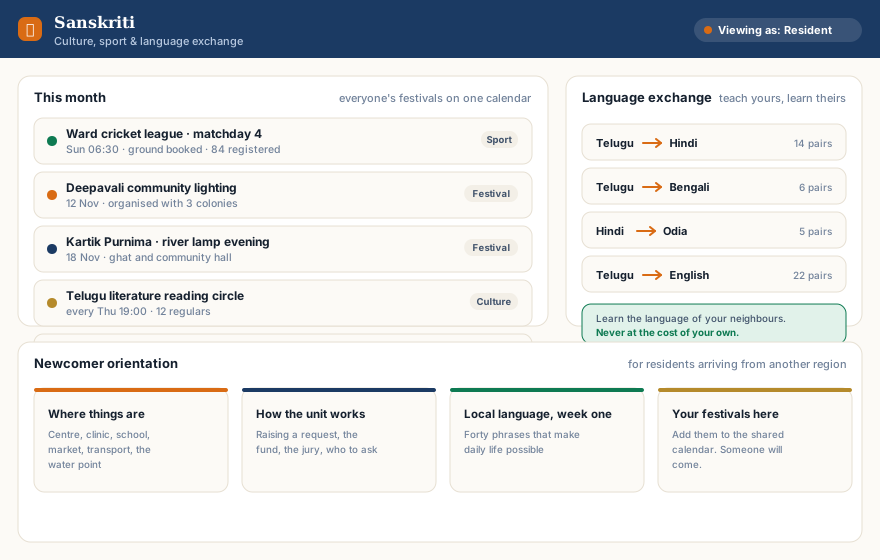
From mockup to working prototype
These are pictures. The next version makes the first three clickable — seeded with sample data, running entirely in the browser, with no account and no server.
| Application | Stage | Depends on |
|---|---|---|
| Seva Kendra | Mockup | Service standards agreed per category |
| Kosh | Mockup | Band structure and matching rules settled |
| Shram Setu | Mockup | Local task database design, built to federate upward later |
| Setu Sabha | Mockup | Jury selection and stratification rules |
| Vidya Vatika | Mockup | Credit recognition route; Gyan Peti hardware spec |
| Sahyog | Mockup | Consent model and Data Register format — must be settled first |
| Yuva Seva | Mockup | School and university credit recognition |
| Sanskriti | Mockup | Nothing — could be built today |
| Gyan Kosh | Mockup | Corpus standards and the evidence-label taxonomy |
The mockups are SVG files in assets/img/mockups/, generated by a script in
tools/. They are text, not pictures of text — so they are editable, sharp at
any size, and a few kilobytes each.