Setu Nidhi
A community fund that the poorest household is not crushed by, that the richest cannot quietly buy, and that every resident can audit from their phone.
₹500 from everyone is arithmetic, not policy
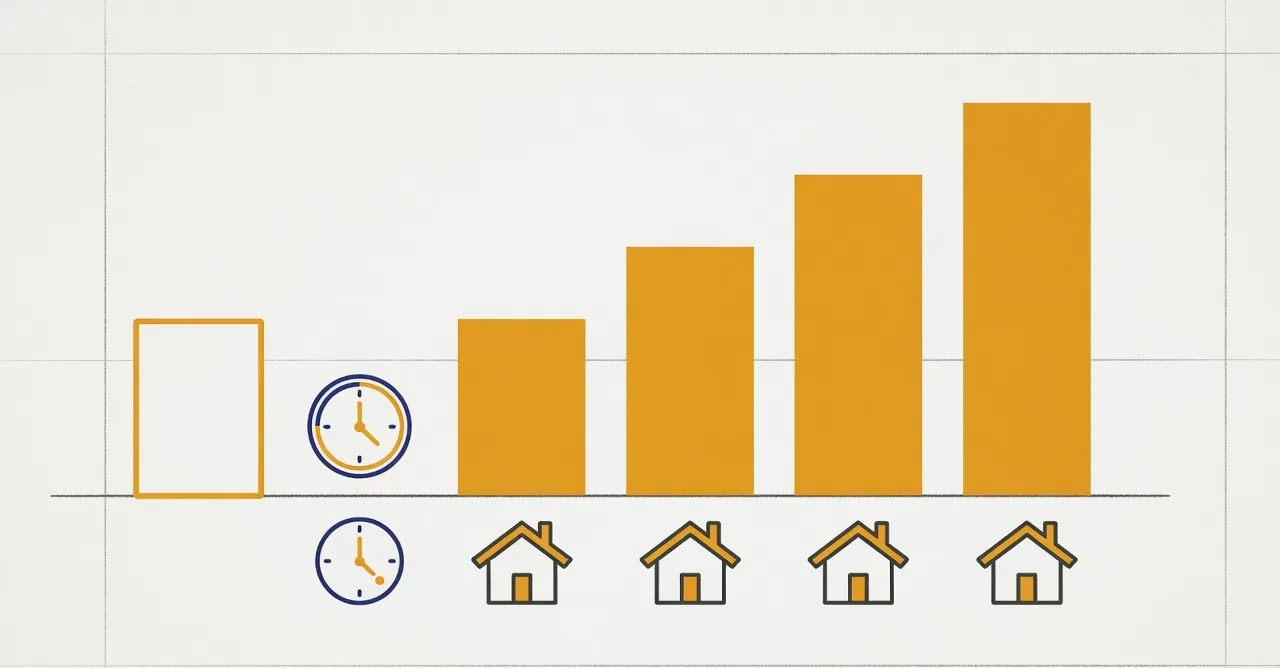
Twenty thousand families at ₹500 a month produces ₹1 crore a month and ₹12 crore a year. It is a clean illustration and it makes the scale vivid. It is also, taken literally, regressive: the same charge on a household earning ₹8,000 and one earning ₹80,000 is not equal treatment.
The source paper says as much — a final system should not impose the same burden regardless of income. This page makes that replacement concrete.
Five bands
| Band | Monthly | Who |
|---|---|---|
| 0 | ₹0 | Automatic for households already identified as poor by existing systems — NFSA ration card, PM-JAY, state BPL. No new means test, no separate application, no separate humiliation. |
| 1 | ₹100 | Self-declared. Low-income households above the exemption threshold. |
| 2 | ₹300 | Self-declared. The expected modal band in most units. |
| 3 | ₹500 | Self-declared. Comfortable households. |
| 4 | ₹1,000 | Self-declared, plus voluntary top-ups above it. |
The distribution of bands is published in aggregate. An individual household's band is private — because a public list of who pays what becomes a public list of who is poor.
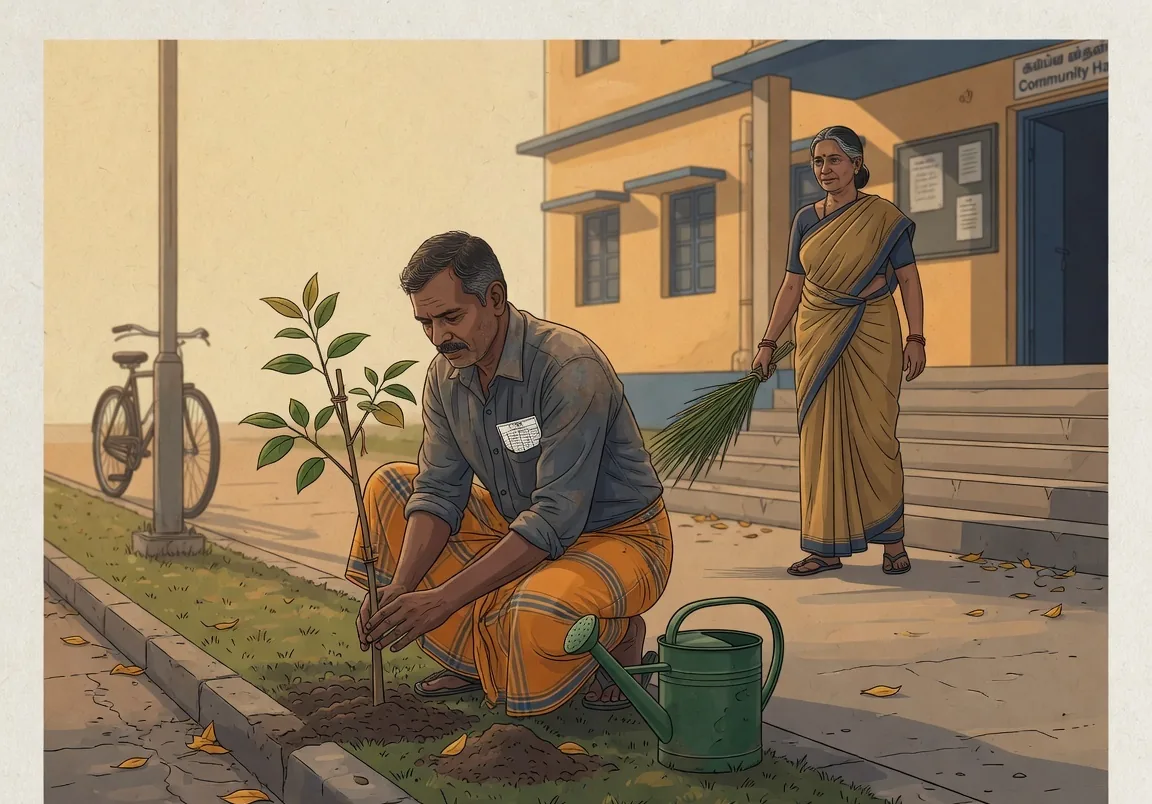
Any household may substitute four hours of verified community work a month for its cash band. Cleaning a park, helping at the learning centre, planting and watering, assisting at an event, accompanying an elderly neighbour to a clinic.
This is the single most important line in the finance model. It means a household with no spare rupee still participates as a contributor rather than a recipient — and it means the unit's register of who has given something is not simply a register of who has money.
What a real band mix raises
Set the household count and the share in each band. The percentages are normalised, so the total is always honest.
Band mix
Other sources
—
The realistic answer is smaller than the ₹12 crore illustration, and it should be. A unit raising ₹1.5–3 crore a year of its own money, doubled by a state match, is enough to maintain what exists, finish small works quickly and visibly, and employ a handful of community workers. It is not enough to build a hospital — and the model never claimed it was.
Rupee figures on this site are illustrative. The band structure is the proposal; the numbers need a demographer and a state finance department.
Small, visible, finished
What the fund buys
- Footpath and road repair, within engineering standards
- Street and public-space lighting
- Parks, playgrounds, trees, benches, shade
- Drainage, sanitation and waste management improvements
- Materials for approved works where government supplies the skill
- The learning park, public digital access, accessibility works
- Lake, stream and neighbourhood restoration under competent supervision
- Wages for community employment and Sahayata tasks
What government still provides
The bargain is not that residents buy the state twice. Local money makes small things fast and visible. Government supplies what a community cannot efficiently create for itself:
- Engineers, planners and skilled technical staff
- Legal permissions and procurement frameworks
- Specialist machinery and logistics
- Safety standards and regulatory oversight
- Matching grants and equalisation transfers
30% maintenance floor
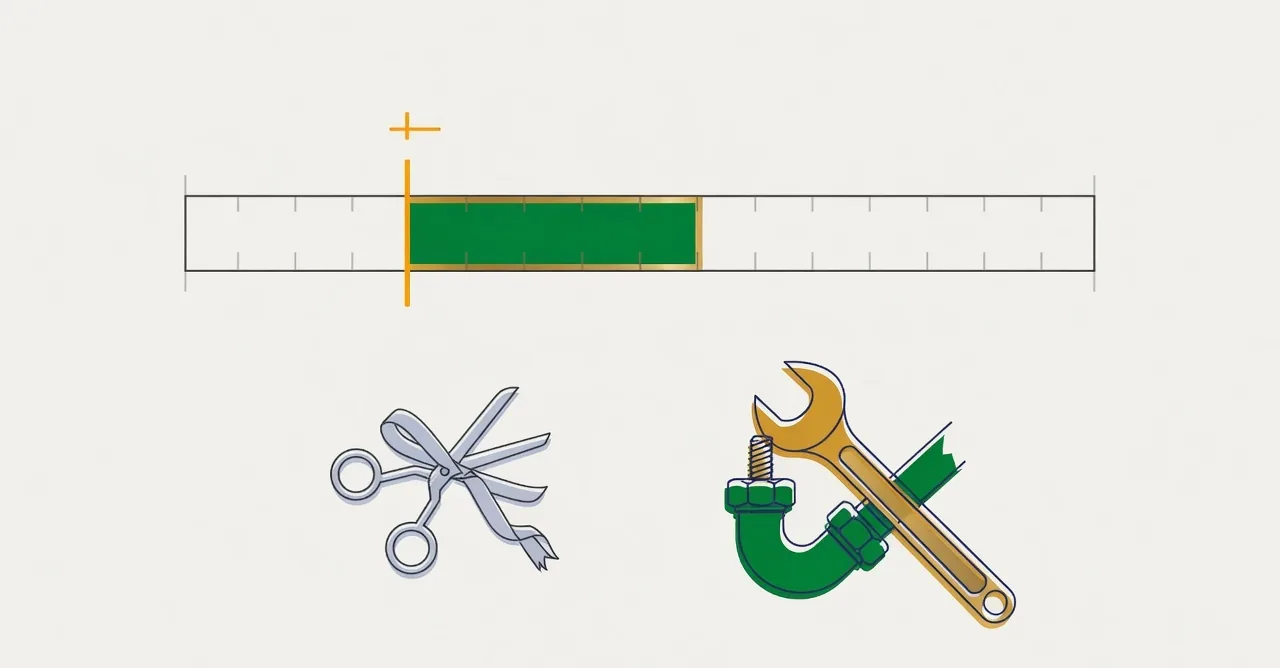
A standing minimum of the fund reserved for maintaining what already exists. New construction is always more attractive than a repaired drain, which is precisely why it needs a floor.
20% decided by residents
One-fifth allocated every year by open participatory vote — proposals from residents, costed by the technical officer, chosen by the neighbourhood.
Approved by a jury drawn by lot
Twenty-five residents selected at random, stratified by gender, age, locality and tenure, rotating every six months — not a standing committee of the same influential families.
Auditable from a phone
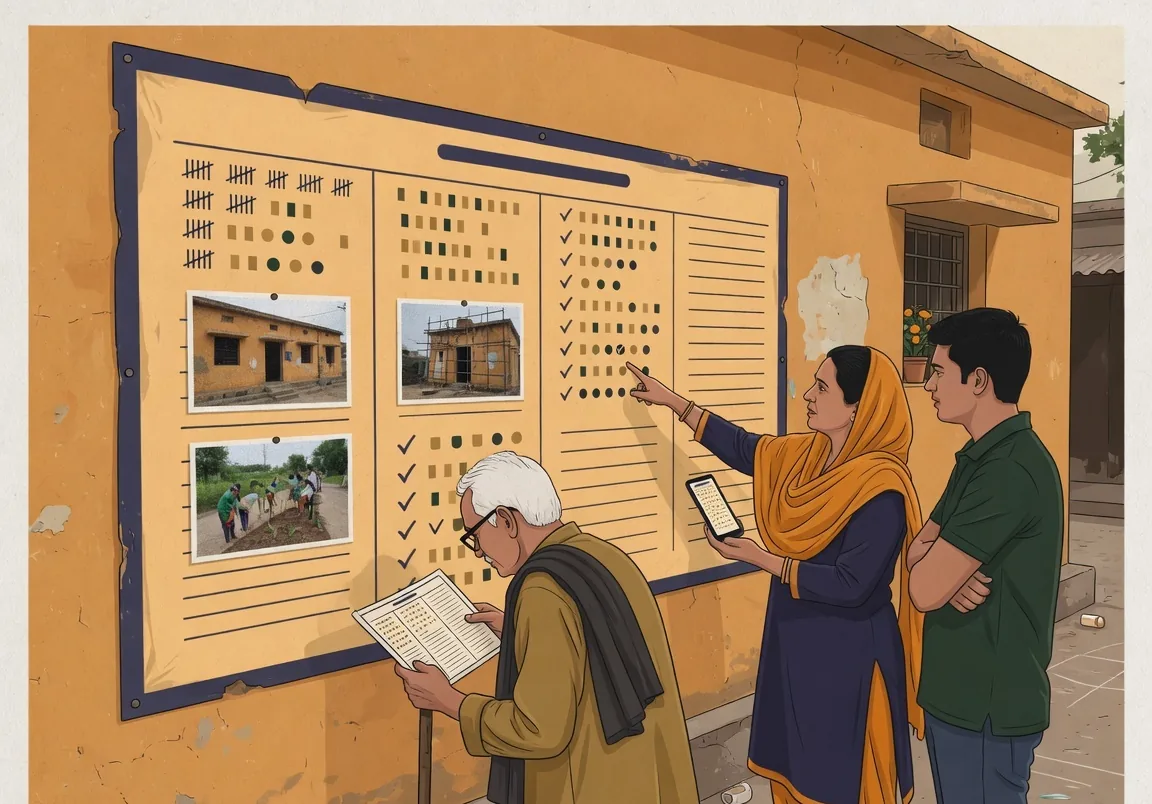
- A public dashboard of every receipt, approved project, procurement, stage of progress and completed work.
- Cost and plan published before work begins, with a resident feedback period.
- Independent audit and random technical inspection.
- No cash for major transactions — traceable digital payment and standard procurement only.
- Conflict-of-interest declarations from everyone who decides anything.
- Two-key approval above a threshold: the jury chair and an independent technical officer.
- A clear line between community consultation and statutory approval — the unit consults; the municipality or panchayat approves.
Beyond household money
Household contributions are the visible, participatory layer — not the whole budget. A credible unit draws on CSR (published, with a no-strings rule), convergence with MPLAD and MLALAD works, Finance Commission grants that already flow to local bodies, Sangam-level municipal bonds for larger works, and voluntary institutional contributions from trusts of any faith. All listed publicly. None of them buys a say in decisions.